
Botanical Sources and Origins
A comprehensive educational overview of botanical sources, their geographical origins, traditional uses, and their significance in contemporary scientific research.
Understanding Botanical Compounds
Botanical compounds are naturally occurring substances produced by plants as part of their normal biological processes. These include alkaloids, flavonoids, terpenes, phenolics, and numerous other chemical classes, each with unique structures and properties.
Plants develop these compounds for various reasons—some serve protective functions against pests, others facilitate nutrient absorption or storage, and many play roles in plant reproduction and growth. The diversity of botanical compounds reflects the complexity and sophistication of plant biochemistry.
Throughout human history, cultures have used botanical sources for various traditional applications, creating rich historical records of plant use that modern scientific research continues to explore and understand.
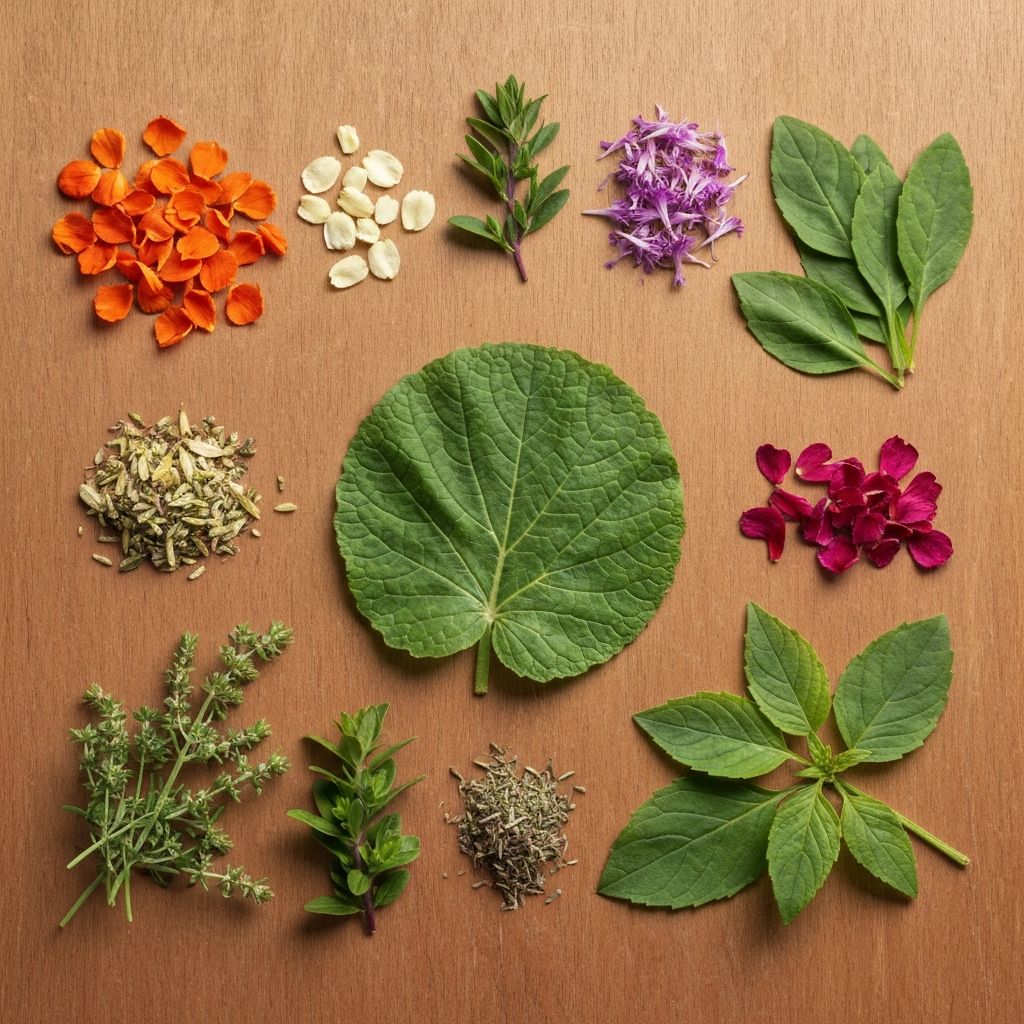
Major Botanical Sources in Research
Turmeric (Curcuma longa)
Native to South Asia, turmeric contains curcuminoids—powerful plant compounds studied extensively in research. Used traditionally in Indian and Southeast Asian contexts for centuries.
Ginger (Zingiber officinale)
Originating from tropical Asia, ginger contains gingerols and shogaols. Studied for various biological properties and used widely in traditional medicine across multiple cultures.
Boswellia (Frankincense)
Native to arid regions of India, Arabia, and Africa, boswellia resin contains boswellic acids. Traditional use spans thousands of years in various cultural and religious contexts.
Green Tea (Camellia sinensis)
Originating in China, green tea is rich in catechins and polyphenols. Extensively researched and consumed globally for centuries, especially in Asian cultures.
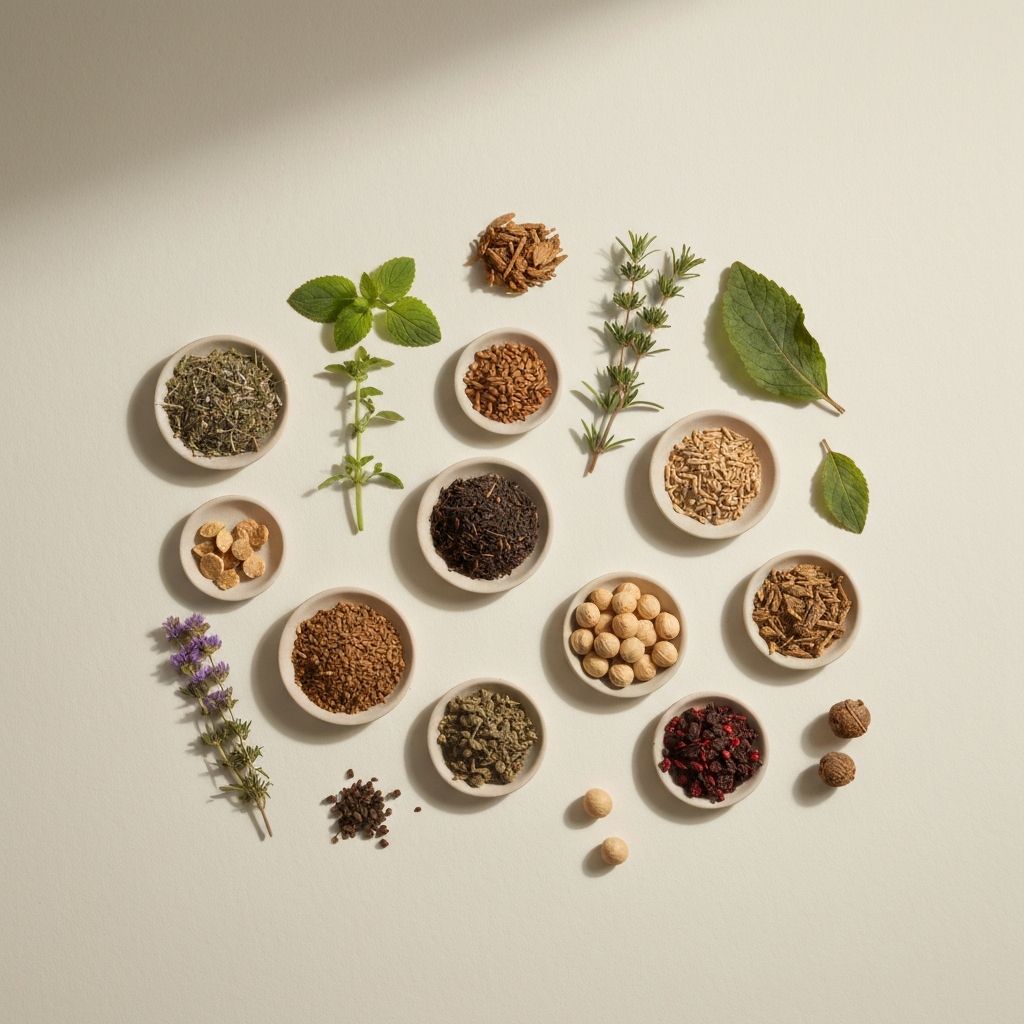
Traditional Knowledge and Modern Research
Traditional medicine systems—including Ayurveda, Traditional Chinese Medicine, and various indigenous practices—have accumulated extensive knowledge about botanical compounds over thousands of years. This historical knowledge serves as a starting point for modern scientific investigation.
Contemporary research validates, refutes, or expands upon traditional uses by employing rigorous scientific methodologies. Scientists isolate specific compounds, measure their concentrations, conduct controlled studies, and explore their mechanisms of action.
This integration of traditional knowledge with modern scientific methods represents an important bridge between cultural wisdom and contemporary understanding, often revealing why certain plants have been valued historically and identifying new applications for botanical compounds.
Geographic Distribution and Biodiversity
The world's botanical diversity is unevenly distributed, with tropical regions containing the greatest variety of plant species. This biodiversity is crucial for scientific research and cultural preservation.
- Tropical Rainforests: Host over 50% of plant species, many with compounds never studied scientifically, representing vast potential for research and discovery.
- Temperate Regions: Contain well-known botanical sources like berries, apples, and various herbs extensively studied in scientific literature.
- Mediterranean Climate: Produces olives, grapes, rosemary, and oregano—plants with long research histories and well-documented compounds.
- Arid Regions: Home to specialized plants like boswellia and myrrh that have developed unique compounds as survival adaptations.
- Indigenous Preservation: Local communities maintain traditional knowledge about regional plants, essential for both cultural preservation and scientific discovery.
Extraction and Standardization
Modern research requires standardized botanical materials for reliable results. Scientists use various extraction techniques—water extraction, alcohol extraction, supercritical CO2 extraction—each yielding different compound profiles.
Standardization ensures that research compounds contain consistent quantities of specific active compounds, allowing for reproducible results and meaningful comparison across studies. This scientific rigor is essential for understanding botanical compounds' mechanisms and properties.
Processing methods significantly impact compound preservation and bioavailability. Fresh plants, dried materials, and various extracts each have different chemical compositions and properties—all important considerations in botanical research.
Educational Information Disclaimer
This article provides educational information about botanical sources, their origins, and traditional uses. It does not claim that any botanical compound can treat, cure, or prevent medical conditions.
Botanical compound effects vary significantly among individuals. Consumption decisions should be made in consultation with qualified healthcare professionals who understand individual health status and potential interactions.